
Introduction
Nestled in the eastern corridor of Long Beach, just north of the bustling Los Coyotes Diagonal and bounded by Clark Avenue and Woodruff Avenue, the South of Conant neighborhood is a quietly remarkable gem with deep roots and a powerful sense of community. For longtime residents, this is more than just a collection of homes—South of Conant represents decades of shared experiences, proud heritage, and ongoing evolution. As we take a journey through its history, you’ll discover how this neighborhood’s identity has been shaped by time and people, giving South of Conant its distinct charm.
Origins of the Neighborhood
The story of South of Conant traces back to the post-World War II boom, when returning veterans and their families fueled Long Beach’s rapid suburban expansion. What is now South of Conant was once agricultural land, dotted with small farms and open fields along what would later become Conant Street. As Long Beach stretched outward in the late 1940s and early 1950s, developers transformed these fields into one of the city’s first planned suburban neighborhoods.
The name “South of Conant” is derived quite simply from its geographic positioning: The neighborhood lies directly south of Conant Street, which itself honors an early local family. Over time, “South of Conant” became a term locals used with pride, distinguishing this friendly enclave from its adjacent counterparts.
Key Historical Milestones
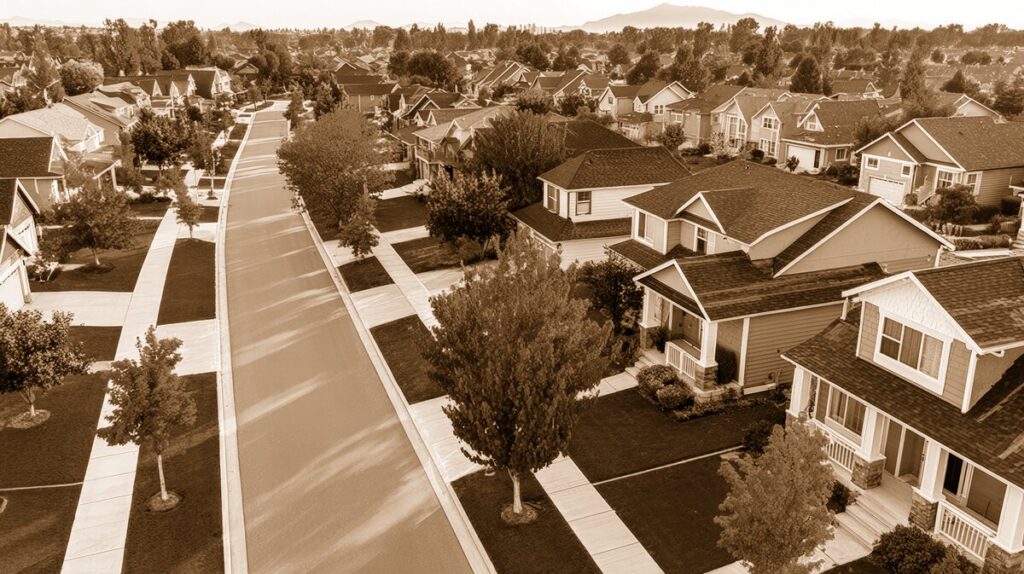
- Postwar Development (1940s-1950s): Tract homes, many of them classic mid-century designs, swiftly replaced farmland, attracting young families eager for a slice of the American Dream. The layout was characterized by tree-lined streets and tidy lots along pivotal avenues like Monogram Avenue, Faust Avenue, and Volk Avenue.
- Establishment of Schools: The opening of Patrick Henry Elementary School and the proximity to Long Beach City College contributed to South of Conant’s family-forward spirit, drawing educators and students to the area.
- Aviation Era Influence: The nearby Long Beach Airport, one of the city’s oldest operating airports, shaped the lives of residents, with its runways only a few blocks away. The hum of aircraft overhead became part of the neighborhood’s soundtrack, and aviation workers often called South of Conant home.
- Community Growth in the 1970s-1990s: The neighborhood saw gradual changes as families put down roots. Longstanding institutions like Wardlow Park emerged as a recreational and communal anchor, hosting everything from summer concerts to youth sports and seasonal celebrations.
- Modern Revitalization (2000s-present): In the past two decades, South of Conant has witnessed renewed energy from new homeowners refurbishing classic homes, an influx of young couples, and a vibrant effort to maintain the area’s clean, safe, and welcoming ambiance.
Notable Landmarks and Institutions
No recounting of South of Conant’s story is complete without mention of its key sites:
- Wardlow Park – Located on Monogram Avenue, Wardlow Park is the heart of South of Conant. Its playgrounds, picnic spaces, and sports facilities are cherished by generations of families. Locals fondly remember events here, from Easter egg hunts to Fourth of July celebrations.
- Patrick Henry Elementary School – Serving neighborhood youth since the mid-twentieth century, this school’s colorful murals and tree-shaded campus capture the spirit of South of Conant’s family life.
- Nearby Long Beach City College – Though technically just outside the neighborhood’s boundaries, its influence is deeply felt—many residents have attended or worked at LBCC, and its presence boosts both educational attainment and local property values.
- Historic Homes and Mid-Century Architecture – Meandering down streets like Volk, Monogram, or Charlemagne, you’ll spot well-preserved mid-century homes, many of which still feature original wood siding, stonework, or decorative glass. These tell the story of South of Conant’s postwar genesis and the pride neighbors take in their architectural heritage.
Streets and Connections
Life in South of Conant flows along a tight-knit network of residential streets bordered by the arteries of Woodruff Avenue to the east and Clark Avenue to the west. Conant Street, of course, marks the lively northern edge, connecting the neighborhood seamlessly to both the airport and retail amenities.
Other notable streets include:
- Gretna Avenue – Known for its well-organized block parties and neighborhood yard sales.
- Quartet Street – Distinguished by mature shade trees and a friendly, walkable vibe.
- Pepperwood Avenue – A family favorite for Halloween trick-or-treating, thanks to its closely spaced homes and celebratory decorations.
The Community Spirit
What makes South of Conant truly special is the people who call it home. Neighbors know each other by name, and community events—often centered around Wardlow Park—fill the calendar. Whether it’s a local clean-up day, a pet parade, or summer movie nights, the spirit of volunteerism and togetherness is unmistakable.
The South of Conant Neighborhood Association has long been active in protecting the area’s interests, facilitating communication with city officials, and organizing recreational programs. Block parties, potlucks, and yard-decorating contests are time-honored local traditions—each one strengthening bonds that go beyond property lines.
Evolution and the Future
While the character of South of Conant remains rooted in its quiet streets and single-family homes, change continues in subtle but significant ways. In recent years, an increasing number of younger couples and professionals have discovered the neighborhood’s mix of affordability, access to good schools, and mid-century charm. Some original homes have been updated with modern amenities—open kitchens, solar panels, and drought-tolerant landscaping—while respecting the area’s sense of history.
Local businesses along the nearby Spring Street corridor provide everything from cozy cafes to family-owned restaurants, making South of Conant both a peaceful residential haven and a convenient launch point for daily adventures across Long Beach.
Conclusion
With its origins in postwar optimism, its landscape shaped by mid-century vision, and its heart sustained by generations of neighbors, South of Conant stands out as one of Long Beach’s quiet treasures. Here, history isn’t just something you read about—it’s something you live, whether you’re sipping coffee on your porch beneath 60-year-old trees or cheering your child’s soccer game at Wardlow Park.
To experience South of Conant is to glimpse the best of Long Beach: warmth, pride, diversity, and the comforting sense of belonging that only a true neighborhood can offer.